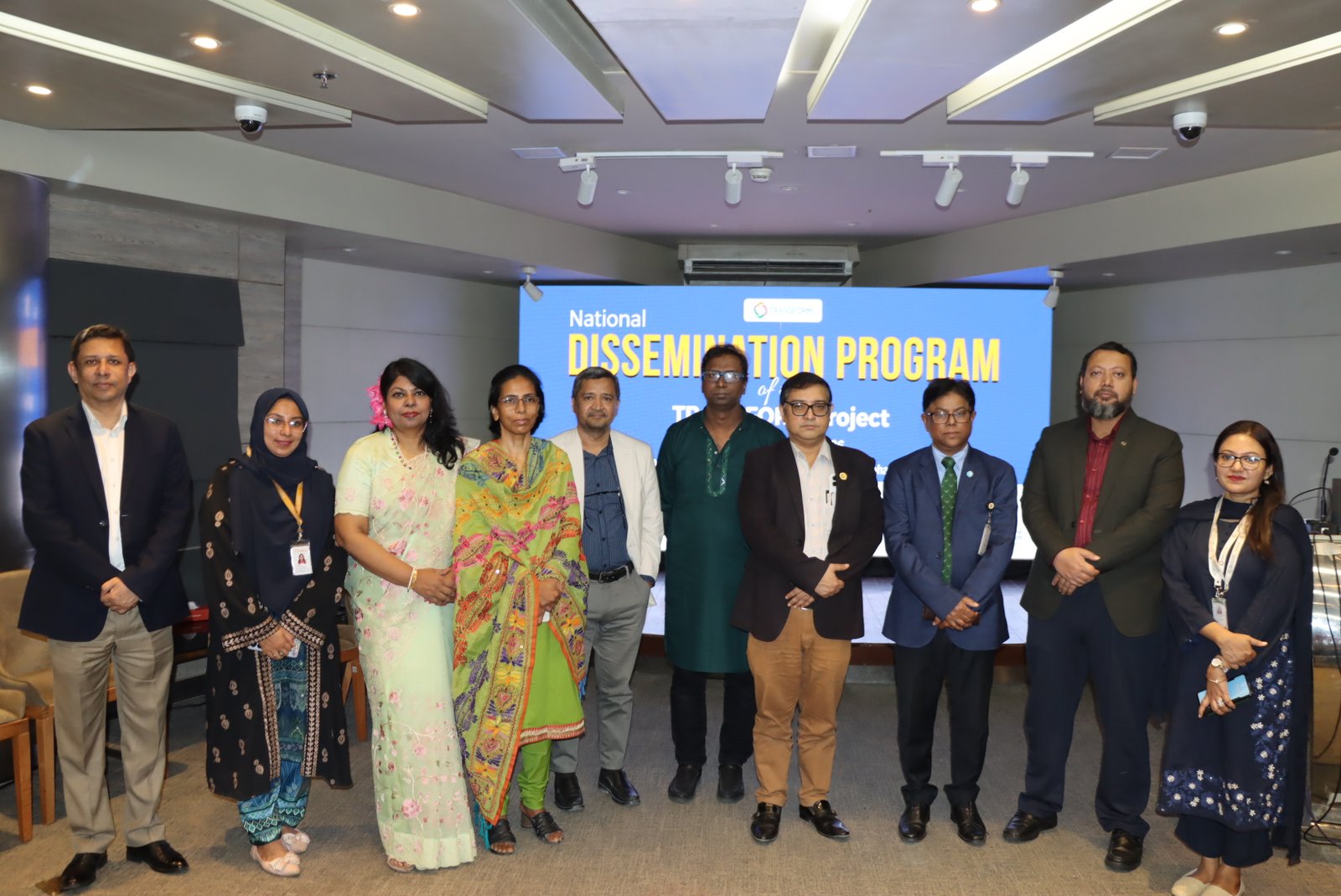
Bangladesh faces a severe mental health crisis, with more than 30 million people suffering from mental disorders, over 90% of whom do not seek professional help. This treatment gap is further compounded by a critically low psychiatrist-to-population ratio of less than 0.5 per 100,000 people. In slum communities, this crisis is particularly acute — residents face high mental health burdens alongside low awareness, deep-rooted stigma, and significant barriers to accessing formal mental health services. In the absence of professional care, slum communities predominantly rely on traditional and faith-based healers, local medicine sellers, and informal community health workers as their first point of contact for mental health concerns. While these providers play a central role in community life, they have historically lacked the knowledge and tools to identify serious mental disorders or facilitate appropriate referrals to biomedical care. The TRANSFORM Bangladesh project — Transforming Access to Care for Serious Mental Disorders in Slums — was designed to address these systemic gaps. Over four years, the project worked alongside the Korail slum community in Dhaka to co-develop and implement a community-based training and referral model, leveraging the existing role of informal providers to improve access to mental health care for one of Bangladesh's most marginalized populations. TRANSFORM is funded by the National Institute for Health and Care Research (NIHR) and implemented by the Telepsychiatry Research and Innovation Network (TRIN) in partnership with the University of Ibadan, McGill University, Kings College London, and other collaborators.