


Empowering Mental Health Professionals Through Evidence-Based Training and Development
Comprehensive training initiatives designed to strengthen mental health care delivery and support across diverse communities and healthcare settings.
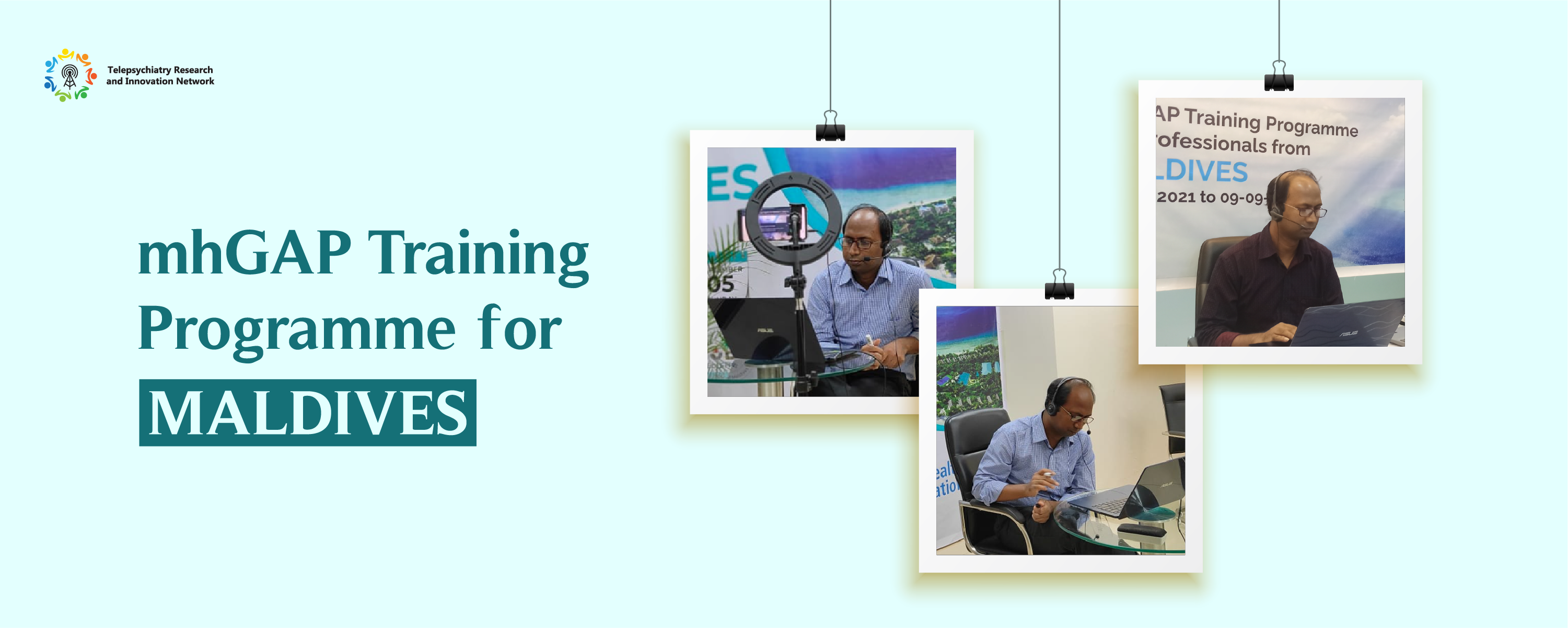
The mhGAP Training of Health-care Providers (ToHP) training manual has been designed to teach health-care providers how to assess and manage priority mental, neurological and substance use (MNS) conditions, using the evidence-based mhGAP Intervention Guide (mhGAP-IG) in non-specialized health settings.
Learn More
Are you providing telecounseling? We observed an explosive growth of telepsychiatry and telecounselling since the lockdown. Most of the professionals, senior and juniors initiated the telecounselling service without any formal training and still today we don't have the...
Learn More
Caregivers of schizophrenia patients are often family members who are not trained in mental health. These individuals provide important support for their loved ones, but in doing so are susceptible to depression, stress, physical health problems and the burden of long-term care. This training equips caregivers with practical knowledge about the illness, coping strategies for daily challenges, and guidance on when to seek professional help — while also addressing their own wellbeing.
Parenting in itself is a very difficult responsibility. Sometimes parents need more direct support and training than written materials or advice from informal sources. Even the most charming or well-behaved child can misbehave or become disobedient. This initiative focuses on developing a structured training manual on adolescent responsive parenting, helping parents understand adolescent development, communicate effectively, and respond supportively to emotional and behavioural changes.
Our Managing Director conducted a psychological wellbeing training programme for doctors of different government hospitals at the Health Economics Unit, Digi-health. The programme addresses stress, burnout and emotional exhaustion among practising clinicians, offering practical self-care strategies and tools for maintaining psychological wellbeing in demanding healthcare environments.
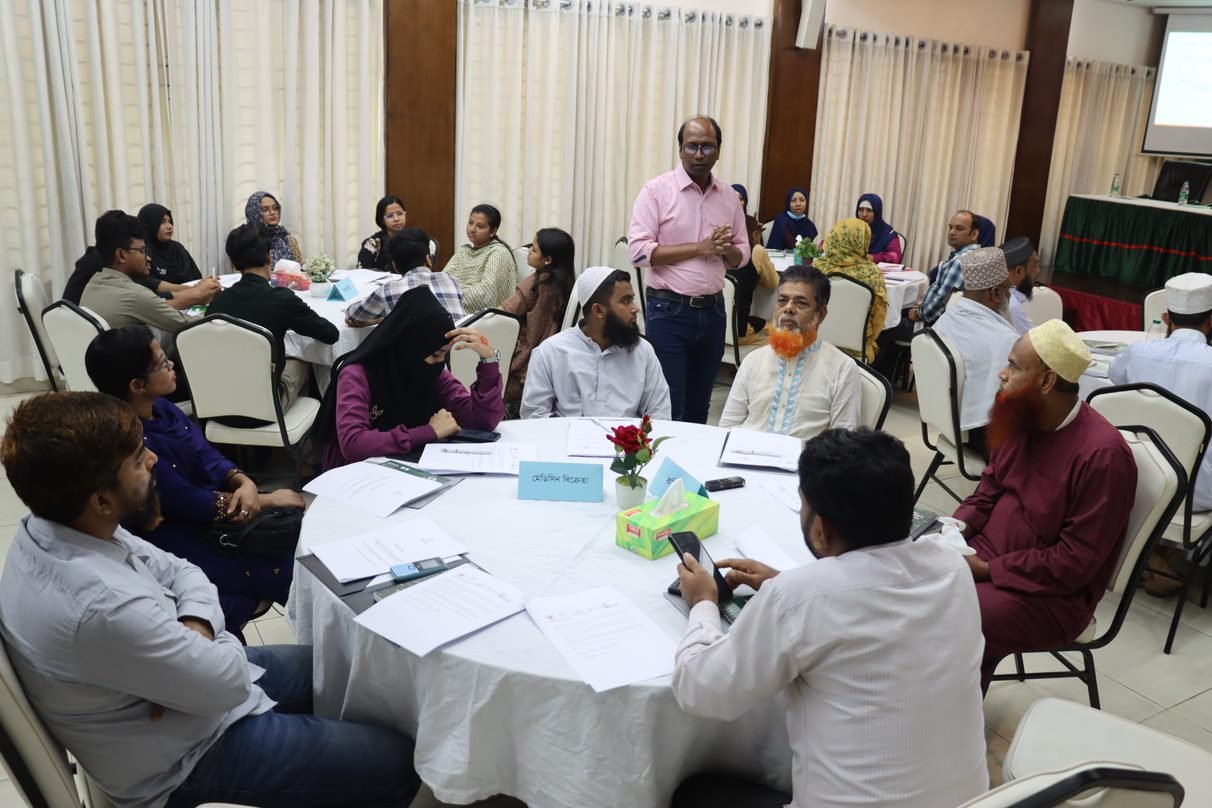
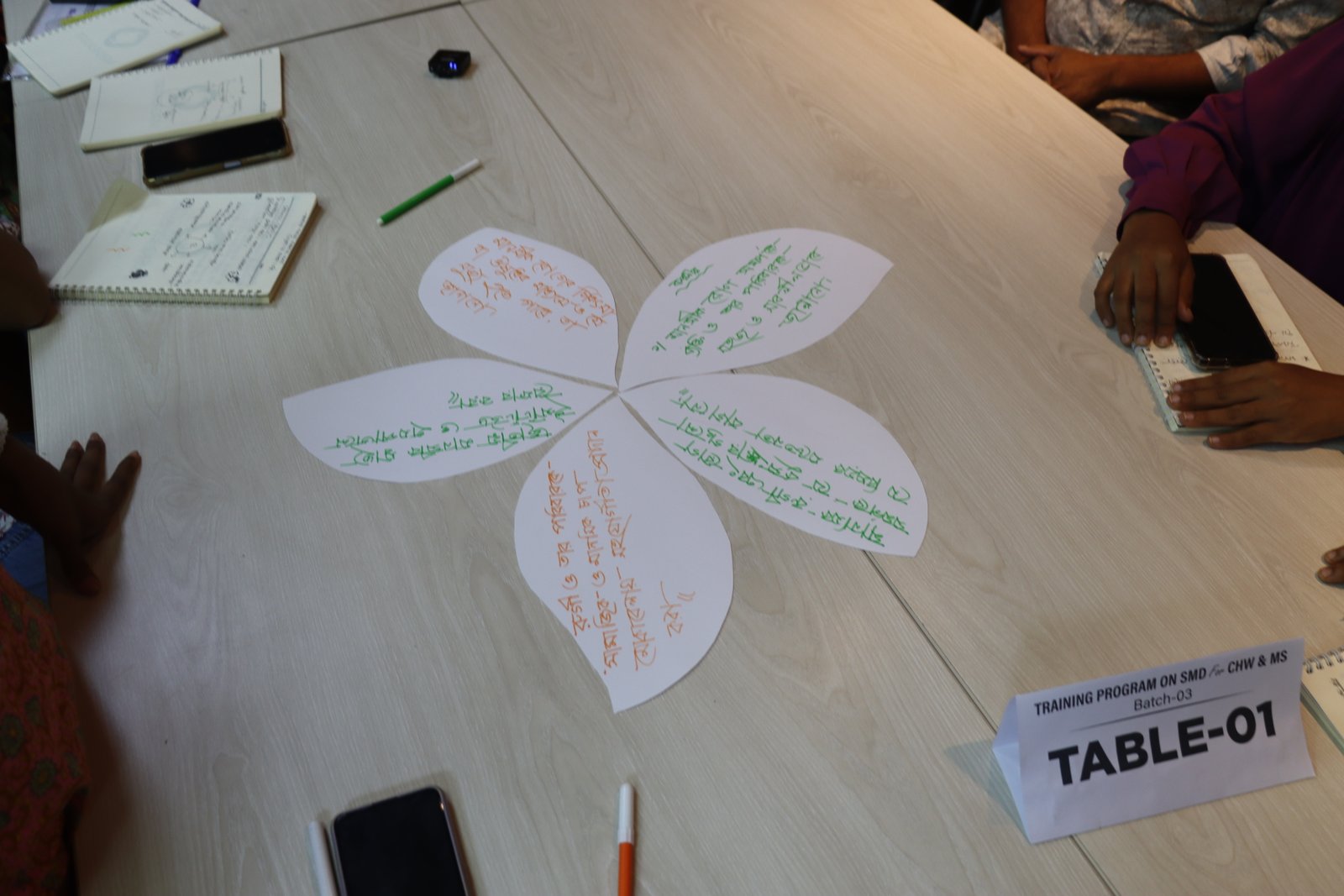
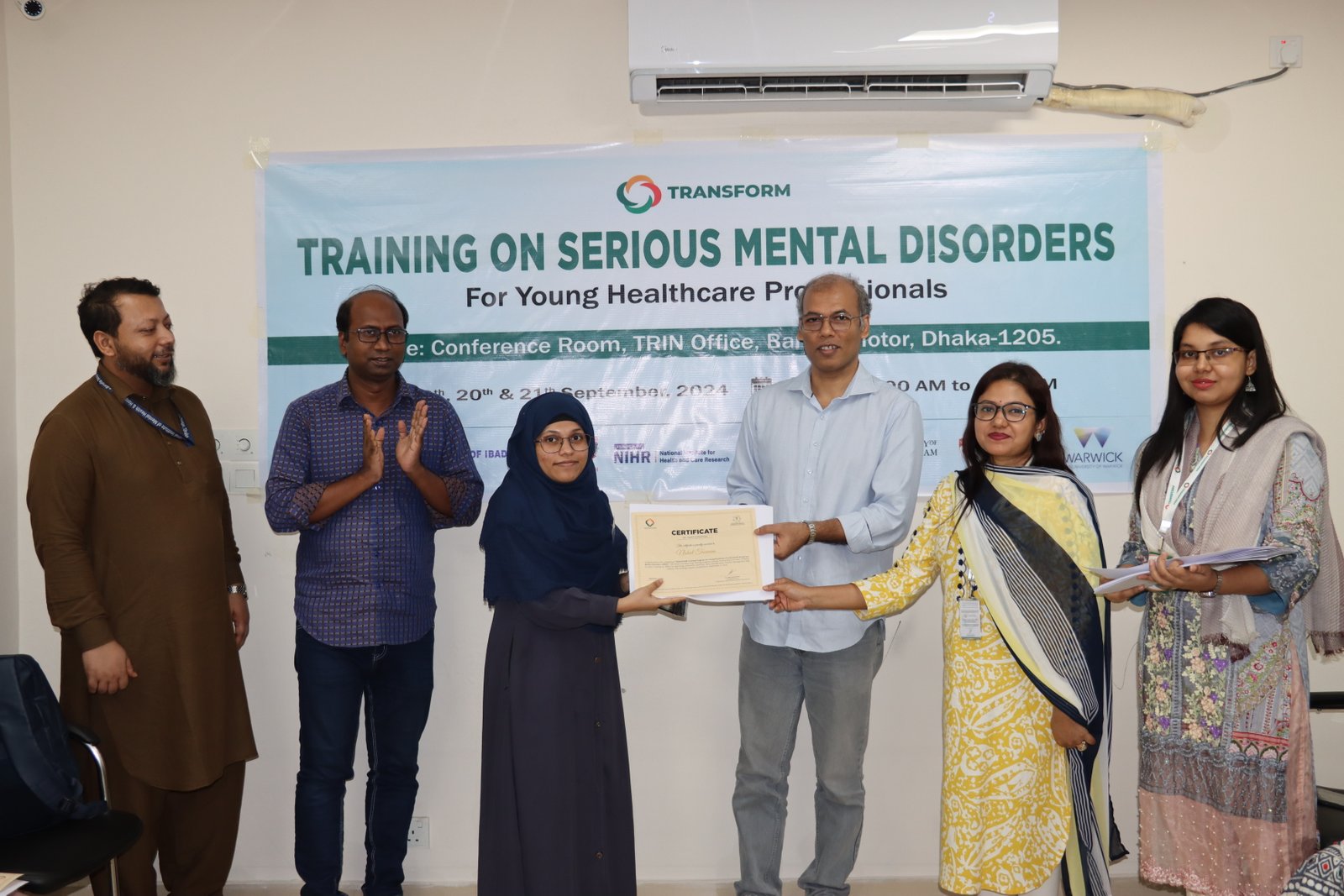
As part of our ongoing capacity-building initiatives, we organize annual mental health training programs for young health professionals and diverse groups of community members and stakeholders. These training programs are designed to strengthen knowledge, skills, and confidence in recognizing and addressing mental health needs. Through interactive learning sessions, practical discussions, and experience-sharing, participants gain a better understanding of mental health promotion, early identification of mental health concerns, appropriate support, and referral pathways. By investing in the capacity of young professionals and other key groups, we aim to contribute to a more informed, compassionate, and responsive mental health support system within communities.